How Cracks in Concrete Foundations Affect Structural Stability
Local contractors specializing in concrete foundation crack repair can assess and fix cracks to help maintain your home's structural stability and prevent further damage.
Understanding how cracks in concrete foundations affect structural stability is essential for property owners concerned about the safety and longevity of their buildings. Even minor cracks can sometimes signal underlying issues that, if left unaddressed, may lead to more significant damage over time. Recognizing the signs early can help prevent costly repairs and ensure the stability of the entire structure. For those in the area, exploring this topic provides practical insights into when professional foundation crack repair services might be needed, helping homeowners and business owners make informed decisions about maintaining their properties.
Local contractors specializing in foundation crack repair are equipped to assess the severity of cracks and determine their impact on overall stability. Addressing cracks promptly can help preserve the integrity of the foundation and prevent future problems. As property owners seek reliable solutions, understanding how cracks influence structural stability underscores the importance of expert intervention. Keep reading to learn more about the causes of foundation cracks, how they affect stability, and how local service providers can help safeguard your property’s foundation.
- Concrete foundation crack repair services are needed when cracks compromise the stability of a building’s foundation and threaten structural integrity. Local contractors assess the severity of cracks and implement targeted repair solutions to prevent further damage. When cracks are causing uneven settling or shifting, service providers can stabilize the foundation to maintain structural safety. For homes showing signs of cracking that may affect overall stability, experienced pros can evaluate and address the issues promptly. Contacting local experts ensures that foundation cracks are properly repaired to support the building’s long-term stability.
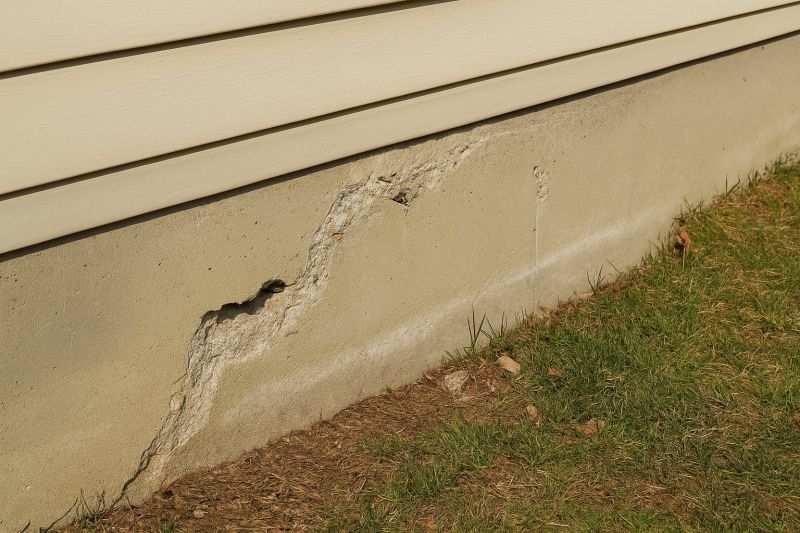
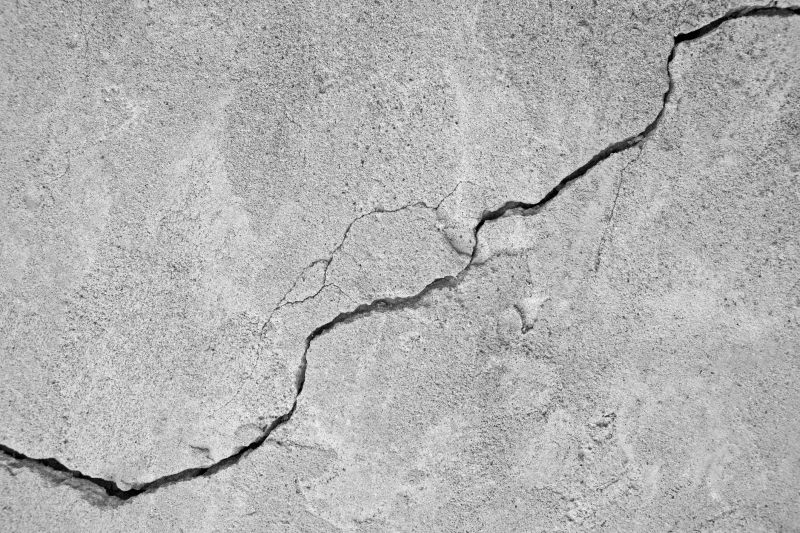
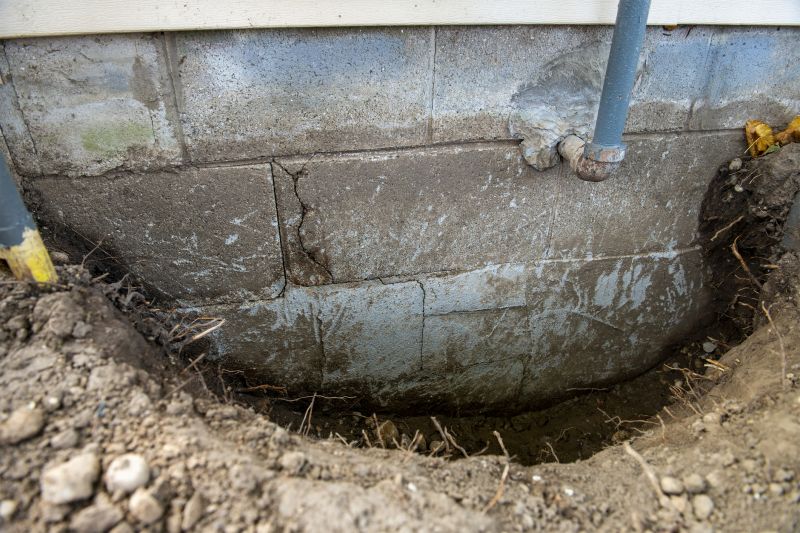
When homeowners search for information about how cracks in concrete foundations affect structural stability, they are often concerned about the safety and longevity of their property. Cracks can appear for a variety of reasons, including settling, soil movement, or temperature changes, and many people want to understand whether these cracks are signs of serious issues. The focus is typically on identifying whether these cracks compromise the foundation’s ability to support the building, which can lead to concerns about potential structural failure or costly repairs if left unaddressed. Homeowners may also be exploring options for repair or seeking guidance on when a foundation crack warrants professional evaluation.
This topic relates closely to problems such as uneven floors, sticking doors or windows, and visible foundation shifts, which are common signs of underlying foundation issues. It also ties into planning for repairs or reinforcement projects aimed at restoring stability and preventing further damage. For property owners, understanding how cracks impact the overall integrity of the foundation can influence decisions about when to seek professional assessment and repair services. Whether dealing with minor cosmetic cracks or more serious structural fractures, the goal is to determine the severity and appropriate response to ensure the property remains safe and functional.
The types of properties that typically come up in discussions about concrete foundation cracks include residential homes, especially those built on expansive or shifting soils, as well as small commercial buildings and multi-family complexes. Homes with basements or crawl spaces are often more prone to visible cracking, making it easier for homeowners to notice and investigate. The age of the property can also be a factor, as older structures may experience different types of cracks compared to newer constructions. Understanding the property type helps in assessing the potential impact of cracks and identifying the most suitable repair solutions that local contractors can provide.
Professional concrete foundation crack repair specialists play a vital role in addressing concerns about how cracks in concrete foundations affect structural stability. These service providers evaluate the size, location, and pattern of cracks to determine whether they are superficial or indicative of deeper issues. They then recommend appropriate repair methods, such as epoxy injections, underpinning, or wall stabilization, to restore strength and prevent further damage. Connecting with experienced local contractors ensures that homeowners receive tailored solutions for their specific property conditions. Proper assessment and timely repairs by these professionals are essential steps in maintaining the safety and stability of a building affected by foundation cracks.
Foundation Inspection Services - Professionals who assess cracks in concrete foundations and evaluate their impact on structural stability, helping homeowners understand potential risks.
Structural Repair Contractors - Local contractors experienced in repairing concrete cracks and restoring the integrity of foundations to prevent further damage.
Concrete Restoration Projects - Projects involving the repair and reinforcement of cracked concrete surfaces, requiring similar planning and tools as foundation crack repair.
Foundation Waterproofing Services - Services that address cracks in concrete foundations to prevent water intrusion, which can weaken structural stability over time.
Soil Stabilization Projects - Work focused on improving soil conditions around foundations, often necessary when cracks indicate shifting or settling issues.
Structural Reinforcement Services - Projects that involve adding support to compromised foundations, utilizing techniques similar to crack repair to maintain stability.
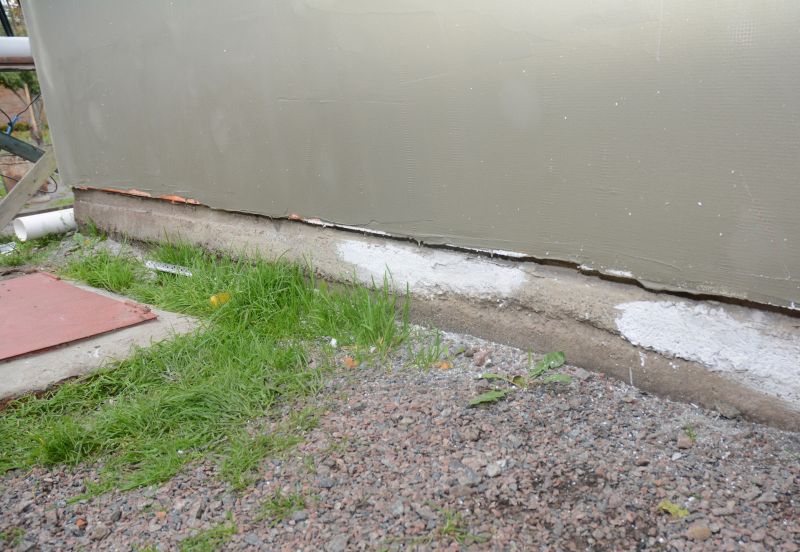
When evaluating contractors for concrete foundation crack repair, it is important to consider their experience with similar projects. Homeowners should inquire about the types of cracks they have addressed and whether they have worked on foundations with comparable sizes and conditions. Contractors with a history of handling foundation issues related to cracks can better assess how these imperfections may impact structural stability and recommend appropriate repair strategies. This familiarity can provide confidence that the service provider understands the nuances involved in maintaining the integrity of the foundation and preventing further damage.
Clear written expectations are essential when comparing local contractors for foundation crack repairs. Homeowners should seek detailed descriptions of the scope of work, the methods to be used, and the materials involved. Having this information in writing helps ensure that both parties have a shared understanding of what the repair entails and can prevent misunderstandings later on. Transparent communication about the process also allows homeowners to evaluate whether the contractor’s approach aligns with their concerns about how cracks in concrete foundations affect structural stability, and whether the proposed solutions are suitable for their specific situation.
Reputable references and effective communication are key factors in choosing the right service provider for foundation crack repair. Homeowners are encouraged to ask for references from previous clients who had similar work done and to verify the quality of those projects. Good communication throughout the process-such as responsiveness, clarity in explanations, and willingness to answer questions-can make a significant difference in the overall experience. A contractor who communicates well and provides trustworthy references is more likely to deliver a thorough assessment of how cracks in concrete foundations may influence structural stability and to implement repairs that address underlying issues effectively.
Property owners often search for how cracks in concrete foundations affect structural stability when they are planning practical projects around their homes and businesses. Local pros provide Concrete Foundation Crack Repair services for everyday jobs and straightforward project options.
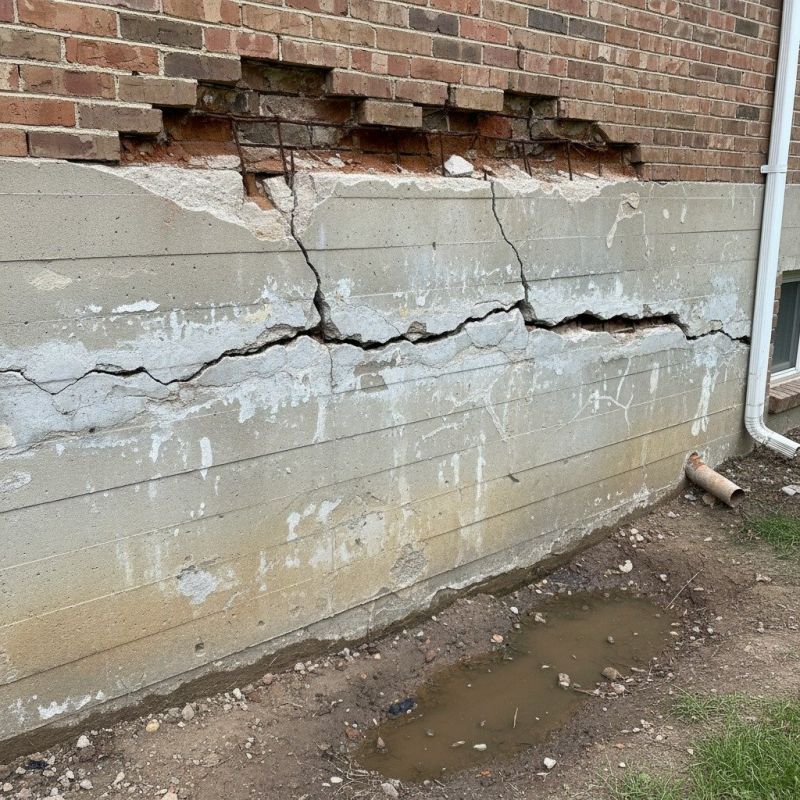
Cracks in concrete foundations are a common concern for property owners, especially in areas where shifting soil or temperature changes can cause movement. These visible cracks may seem minor at first, but they can impact the overall stability of a building if left unaddressed. When foundation cracks widen or appear suddenly, they can lead to uneven floors, sticking doors or windows, and even structural damage over time. Homeowners and property managers often seek the expertise of local contractors to assess whether these cracks are superficial or indicative of more serious issues that could compromise the integrity of the structure.
Understanding how cracks in concrete foundations affect structural stability highlights the importance of timely repair. Local service providers who specialize in foundation crack repair can evaluate the extent of damage and recommend appropriate solutions to reinforce the foundation. Properly addressing these cracks can help prevent further deterioration, maintain the safety of the building, and preserve property value. Property owners looking to safeguard their investments are encouraged to explore repair options with trusted local contractors who have experience handling foundation issues specific to the area.
How do cracks in concrete foundations impact structural stability? Cracks can weaken the integrity of a foundation, potentially leading to uneven settling or further damage that compromises the overall stability of a building. Local contractors can assess the severity of cracks and recommend appropriate repair solutions to maintain stability.
Can small cracks in a concrete foundation affect its stability? Yes, even small cracks can indicate underlying issues that may worsen over time, affecting the foundation's strength. Experienced service providers can determine if repairs are needed to prevent future problems.
What types of cracks are most concerning for foundation stability? Vertical and diagonal cracks that are wide or growing are typically more concerning, as they may signal significant movement or stress. Local pros can evaluate the pattern and size of cracks to assess their impact on stability.
How do cracks in concrete foundations influence repair decisions? The presence and characteristics of cracks help determine whether simple crack filling is sufficient or if more extensive repairs are necessary. Local contractors can recommend the best approach based on the condition of the foundation.
What role do local service providers play in repairing foundation cracks? They inspect cracks, assess their effect on structural stability, and perform repairs to restore the foundation’s strength and prevent further damage, ensuring the long-term safety of the building.
Assessing foundation cracks - property owners can identify early signs of structural issues and seek advice from local contractors on repair options.
Understanding crack severity - knowing how cracks impact stability helps determine when professional repair services are needed to prevent further damage.
Prioritizing repair projects - homeowners can plan foundation crack repairs as part of regular maintenance to preserve the safety of their property.
Choosing the right repair method - consulting with local service providers ensures cracks are properly sealed to maintain the foundation’s structural integrity.
If you are thinking about how cracks in concrete foundations affect structural stability for a property, this guide is meant to help you understand this topic, the typical project types, and how different options might fit your plans.
When you are ready, you can use the quote form on this page to share a few details about your project. From there, local pros can review the basics and follow up with options that match what you have in mind.